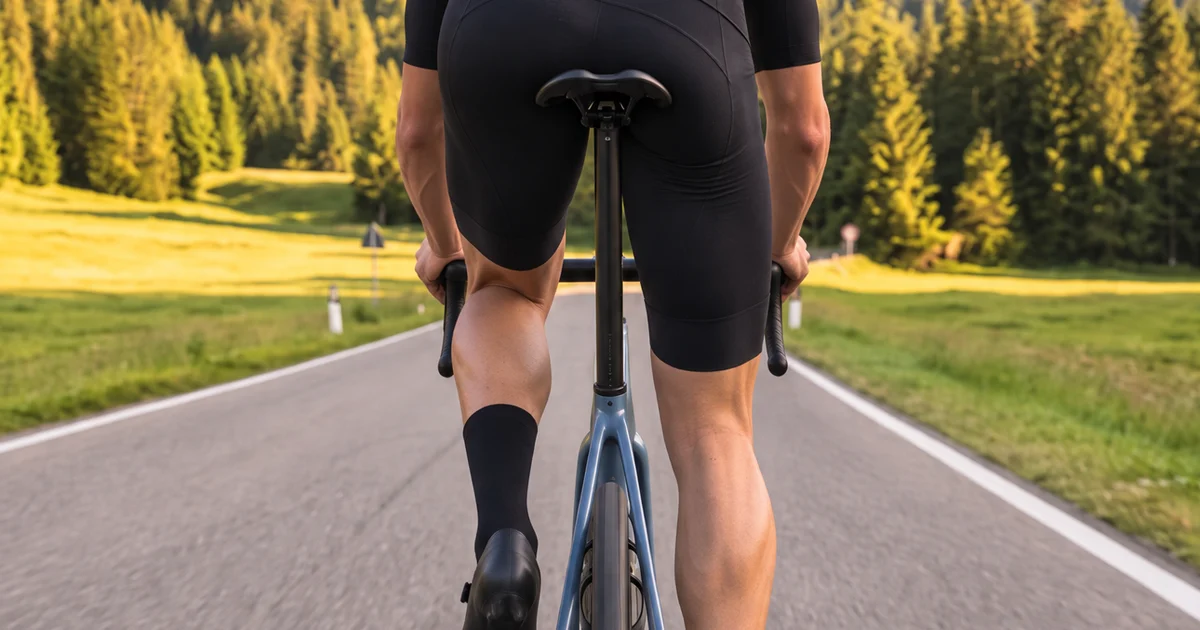
Saddle Too High or Too Low? How to Tell
Is your saddle too high or too low? Learn the signs, why the heel method and the 109% inseam rule are only rough starts, and how to check your knee angle.
Expert insights, training tips, and guides to help you get faster.
Is your saddle too high or too low? Learn the signs, why the heel method and the 109% inseam rule are only rough starts, and how to check your knee angle.
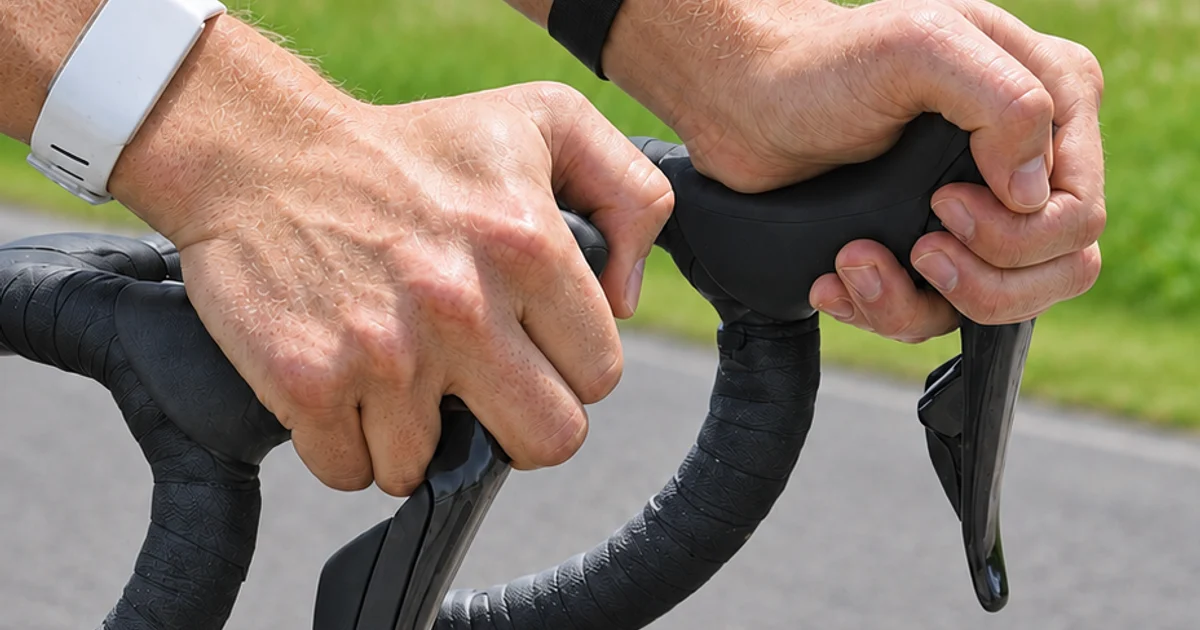
Numb hands on the bike usually mean a pinched ulnar or median nerve. Learn how reach, bar drop, locked elbows and gloves cause it, and how to fix your fit.
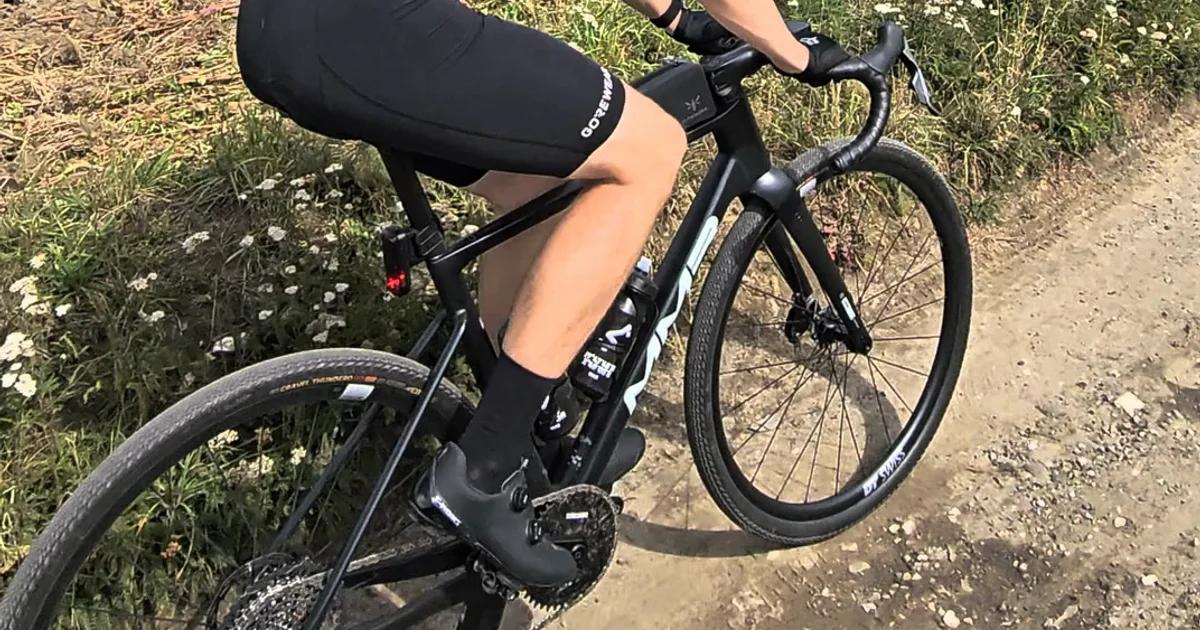
New bike? Copy saddle height and setback, set your cleats, match your hands at the cockpit, then confirm your position on video before you ride far.
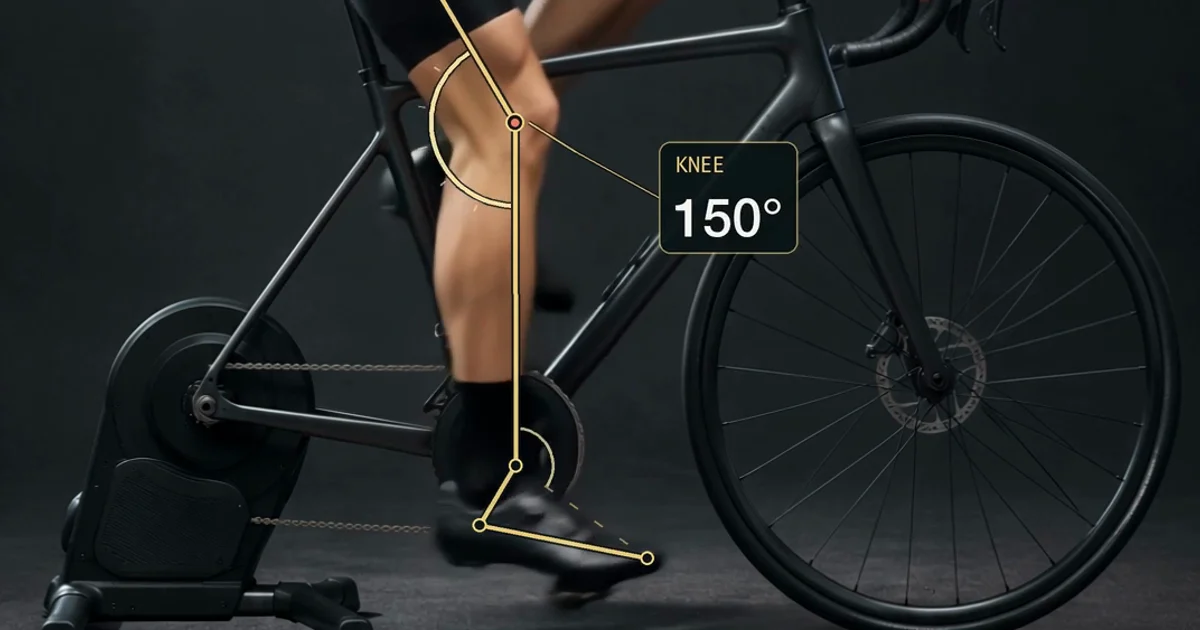
Check your bike fit with a phone video: what knee angle to measure at the bottom of the stroke, why static and dynamic numbers differ, and how to film it right.
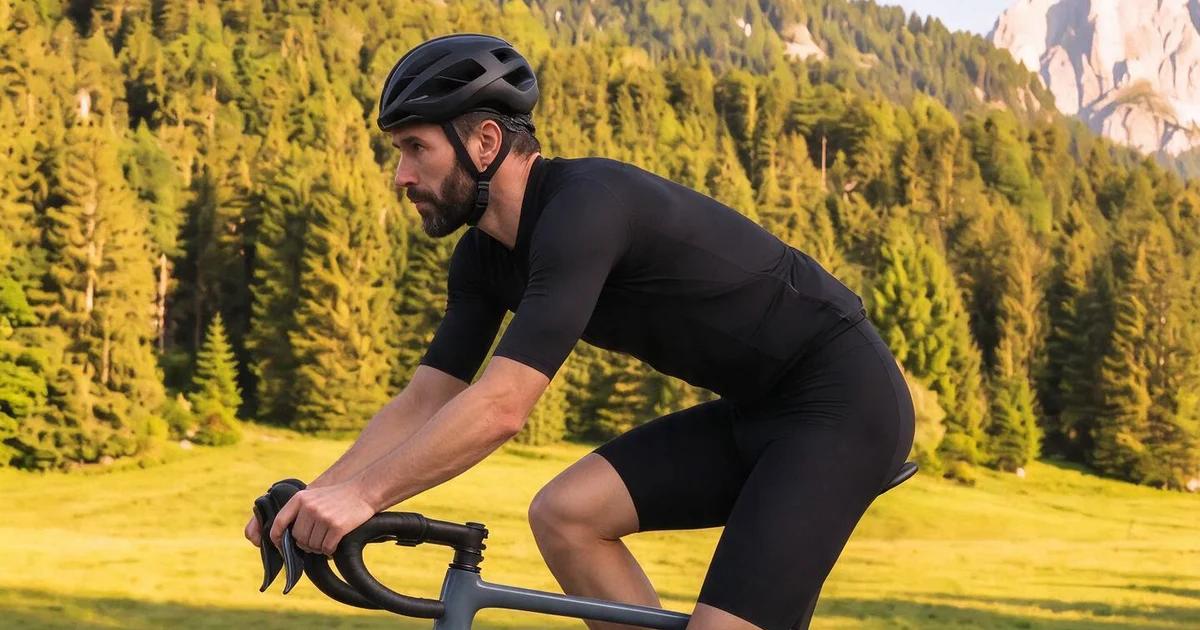
Lower back pain on the bike? Reach and back angle often play a part, and the fix lives at the cockpit: stem, spacers and bar. Here is how to check yours.
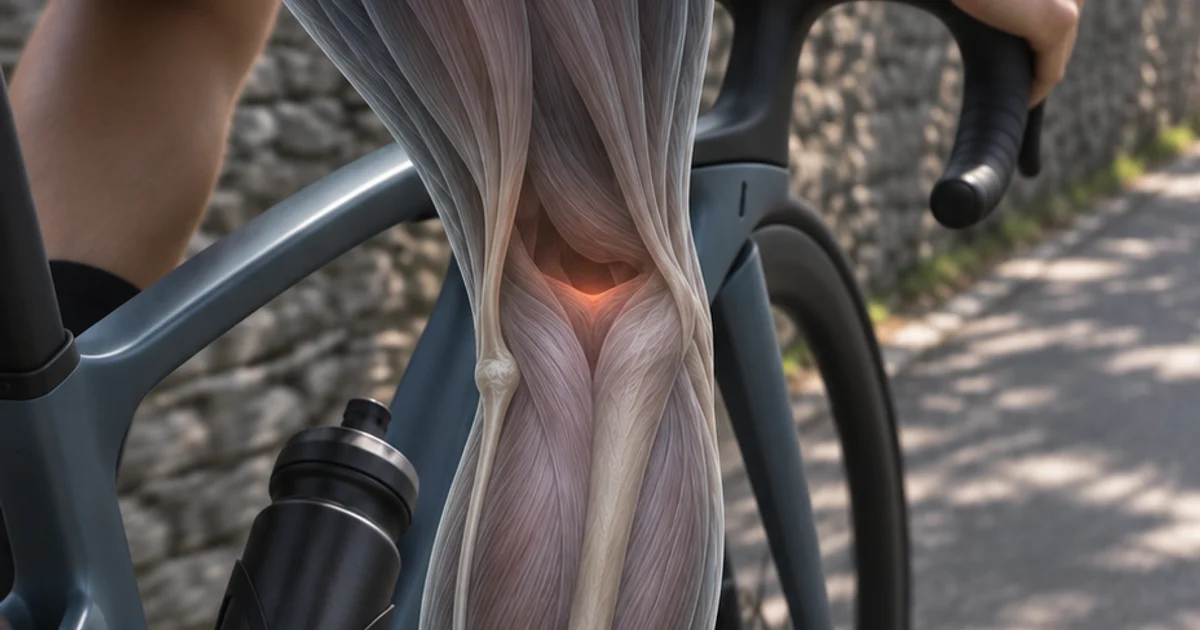
Saddle height is a common cause of knee pain when cycling. See what front, back or outside knee pain can mean, the knee angle to aim for, and when to get help.
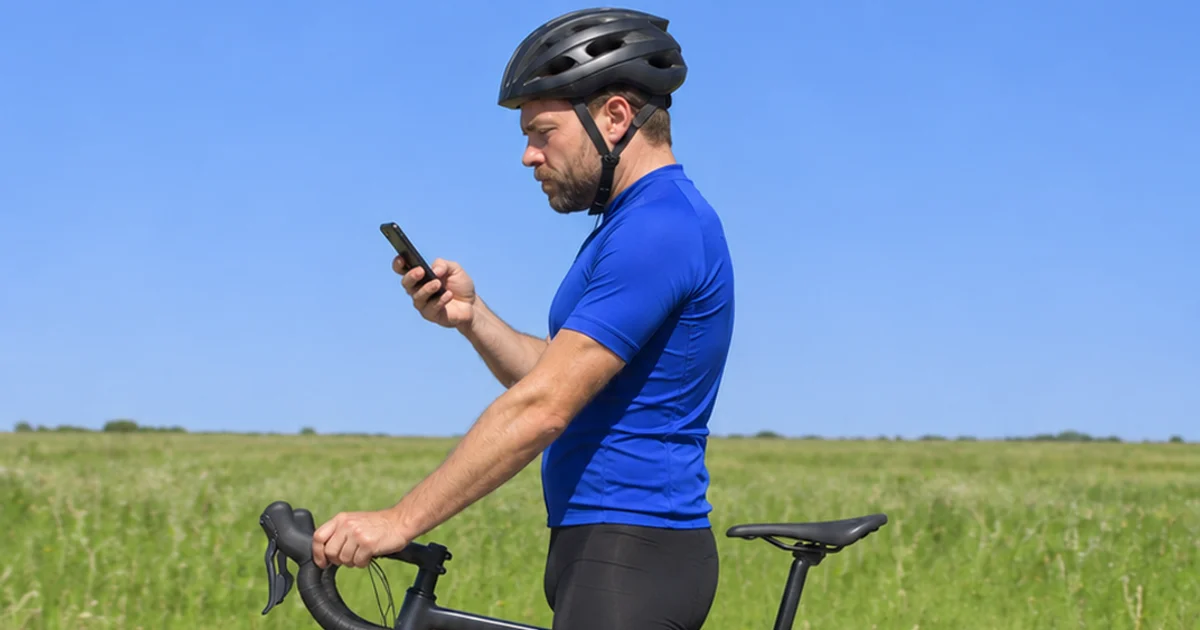
How to film a bike fit video at home: phone height, distance, lens and cadence that keep your knee, back and elbow angles honest, plus the mistakes to avoid.
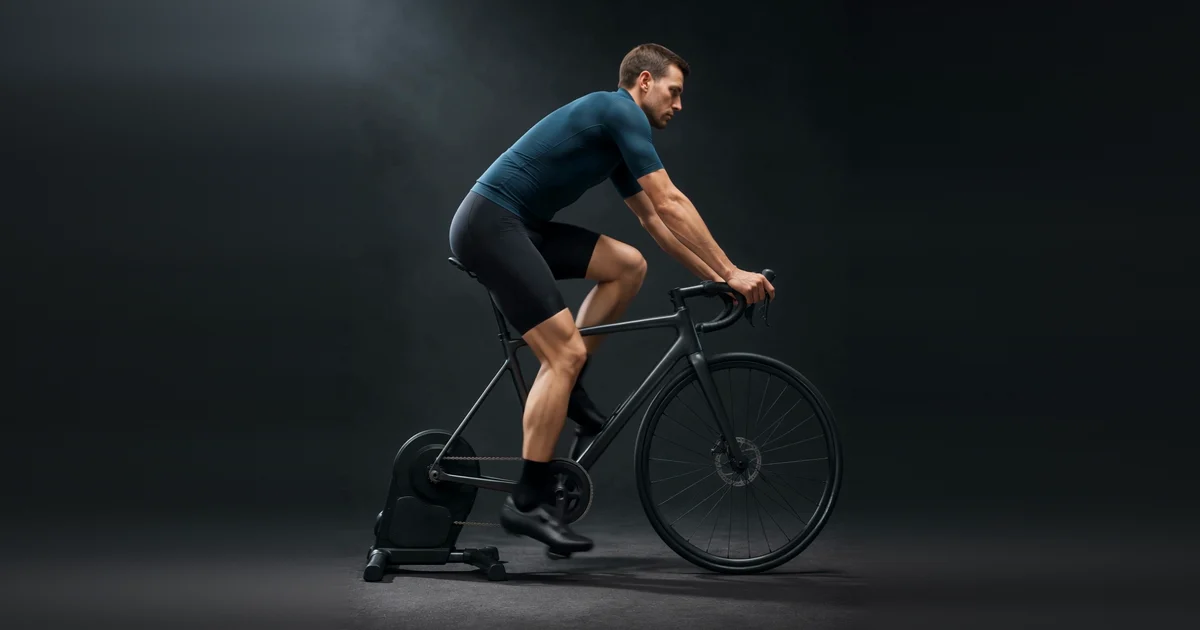
Can you do a bike fit at home? A side-on video checks saddle height, back and elbow angles well. Here's what it misses and when a studio fit is worth it.
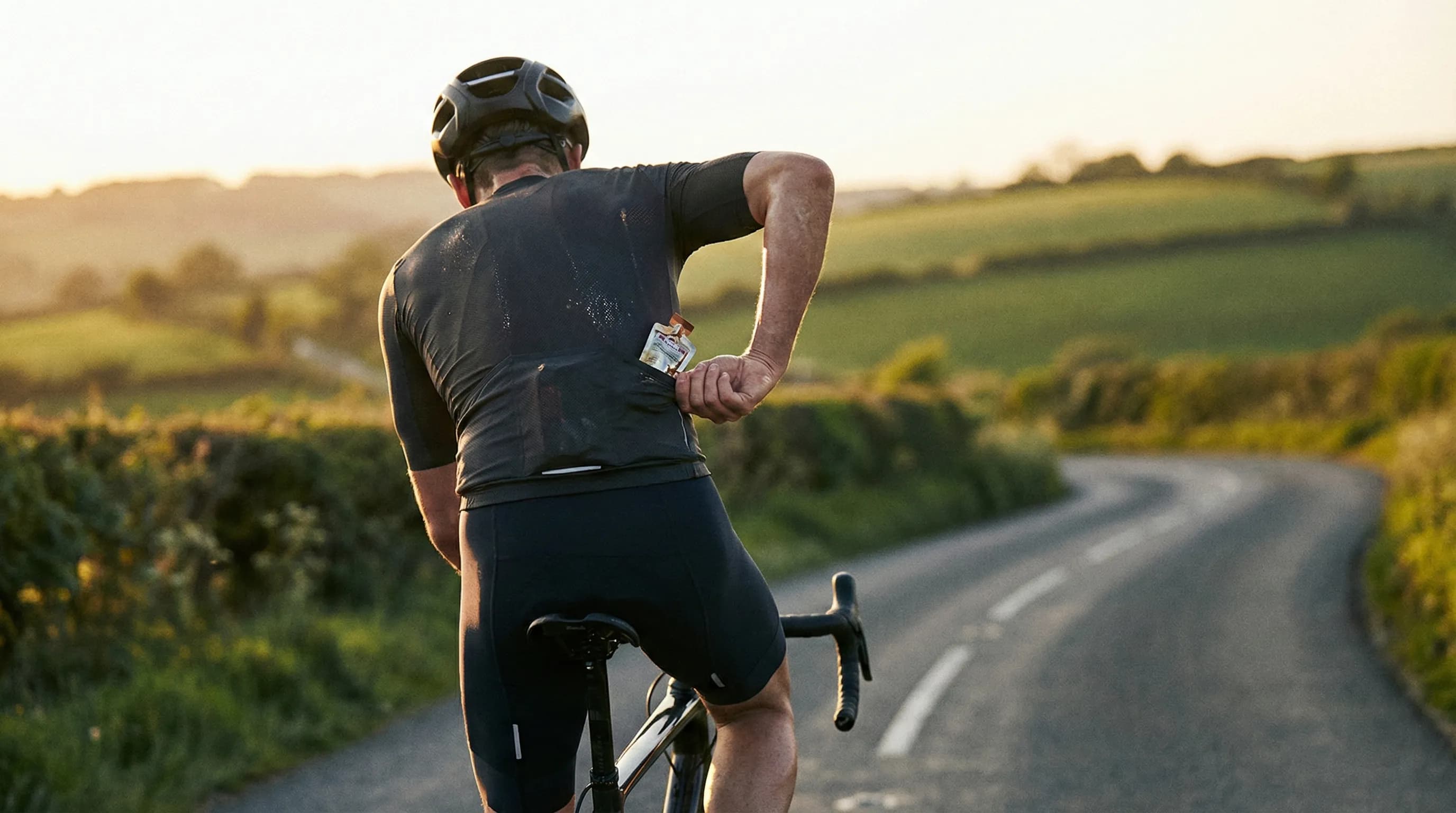
Your body burns fuel differently at every intensity. Here's how to stop guessing and start fueling based on what your ride actually demands.

Most smart trainer winter plans feel productive, but many riders burn out or plateau by spring. Here's the real reason Zwift-style plans fail, and what to do instead with simple base training and periodization.

Learn how to create an effective gravel training plan with periodization, skills work, and race-specific preparation. Includes sample weekly structures and progression strategies.

Most cyclists think more training equals better results. Science says otherwise. Here's why your rest days might be the most important part of your training plan.

Learn what FTP (Functional Threshold Power) means, how to test it with ramp test vs 20-minute protocols, and why accurate FTP is critical for power-based training zones.
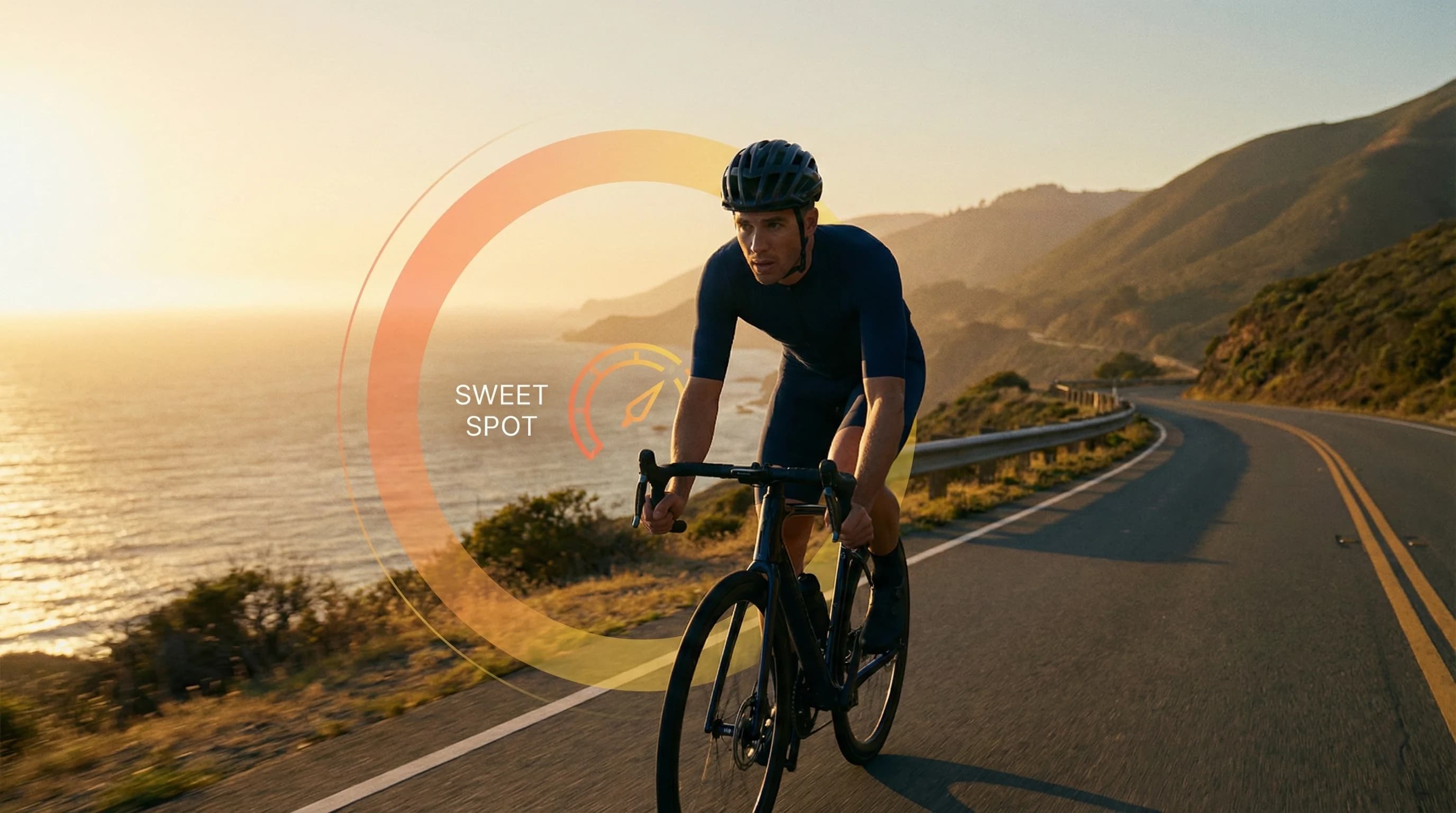
Discover why sweet spot training (88-94% FTP) is the most time-efficient way to build cycling fitness. Includes workouts, progression plans, and sweet spot vs polarized comparison.